
Better Than Bouillon Guilt
I continue to wonder about homemade stock. Who is it for, anyway?

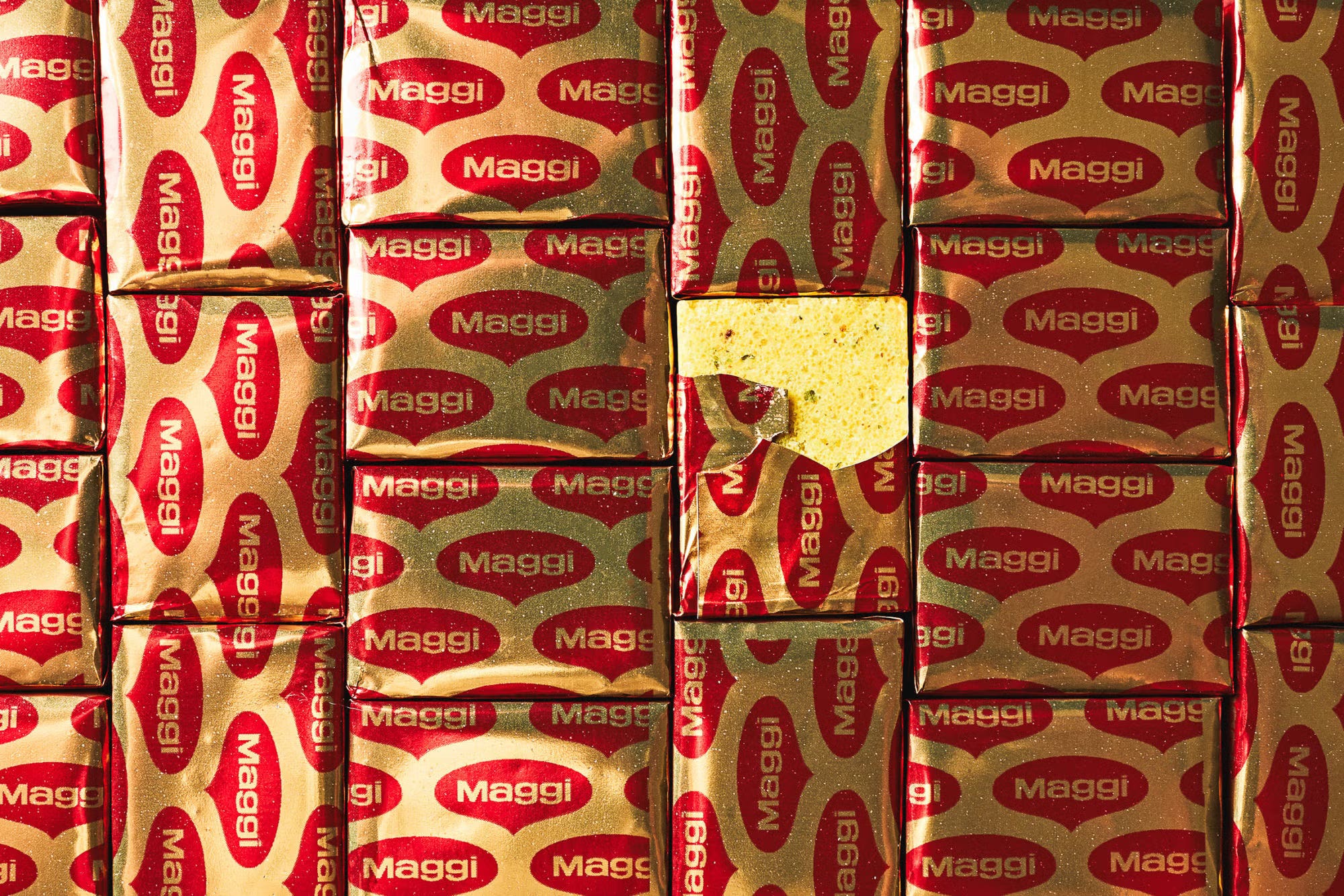
There is a general assumption, one shared by many of my peers in food media, that the boxes of chicken and vegetable stock sold in the grocery store are basically useless—no better than water. (Some food writers even live in a fantasy world where making homemade stock is a regular weekend activity like laundry and Industry on Sundays. I know no such world.) The other assumption is that bouillon cubes are to be avoided—a misguided shortcut for adding possibly detrimental flavor to soups and stocks.
My friend Daniel Holzman was aghast at these snobbish suggestions when we were working on our book, Food IQ. He first ordered me to read Factfulness: Ten Reasons We’re Wrong About the World, a 2018 book that, when boiled down, draws the conclusion that people need to stop assuming that what they learned as kids in school is still true and realize that the world is changing fast, in critically important ways. I’m sad to report, Daniel, that I have yet to pick that one up. Yet I have come to the conclusion that bouillon cubes, and related products, have been changing along with us—for the better.
So, yes, if you time-machined back to 1957, the bouillon cubes you bought likely weren’t great. The flavor in these tiny cubes was unnatural and chemical. Today, though, there are some pretty good products out there, including from some of the bigger brands like Knorr, which makes an excellent all-natural chicken bouillon. Better Than Bouillon is a concentrated paste that offers a similar flavor. These products are so good, in fact, that Daniel has used them in more than one restaurant he has worked at or consulted for. He won’t name names, but he says it would shock you to know how many high-quality restaurants lean into these products. And I was happy to see that Alison Roman writes praise for Better Than Bouillon in her terrific new cookbook, and indeed she has a point here. (To note, neither this writing nor Alison’s observations are sponsored in any way. We both just like the stuff.)
So with great “just add water” stock products available, why make stock from scratch? To me—and I may risk losing my Food Writers’ License (the one with the M. F. K. Fisher seal in the corner) for the following statement—it seems impractical to dump a bunch of bones and vegetable trimmings in a pot and simmer them for hours with water, just to eventually use it for what, exactly? I needed a reminder from Daniel about why this practice is such a foundational element in cooking. Daniel often roasts chickens, and when he spatchcocks them, he pulls out the back bones, tosses them in a pot with water, and makes a collagen-rich stock. It’s really that simple. Okay, but why make stock in the first place? Well, that depends on what you’re planning to use it for. If the recipe will highlight the stock itself, as in a rich chicken soup, Korean jogaetang, Parmesan-rind risotto, or a brothy sauce, go for it. But when the stock is more of a building block for flavor, as in a braise or a stew, then using bouillon is more than fine.
I like to think about it this way. If you need cups and cups of stock for a recipe, to then ultimately pull the thing you’ve cooked (short ribs, caraflex cabbage, chicken thighs) out of the liquid to plate and serve, then using mix-with-water stock is perfectly fine. If you are consuming the broth in a meaningful way, homemade seems like a good idea. One additional thing to think about is choosing a low-sodium stock option, otherwise the recipe can turn out oversalted when you reduce the stock down. You can always add more salt along the way.
Further bouillon-related reading:
If you like this writing, check out our book, Food IQ—where we answer 100 food-related questions with strong options, and recipes.
Top photo: Jenny Huang
The podcast I co-host, This Is TASTE, has had a great start to the year. A few highlights:
Philadelphia chef Marc Vetri helped bring the Michelin Guide to Philadelphia, though didn’t receive a star for his namesake restaurant. We talked about it.
Ella Quittner is a journalist, screenwriter, and humorist who writes about obsession, culture, and food. I really love her debut cookbook, Obsessed With the Best, and we talked about her life as a screenwriter, former investment banker, and recovering Food52 employee. 🥴
I’m a BIG fan of Roads & Kingdoms. It’s a magazine (now in print) and travel company, and its founder Nathan Thornburgh shared the company’s strategy. Nathan is just such a precise and compelling speaker.
Brooks Reitz writes one of my favorite newsletters, A Small and Simple Thing, and runs terrific restaurants in Charleston and New Orleans. The conversation hits many notes, including how he influenced me to buy a clutch of British toothpaste.
BTB is the default in my household but also underrated is using bean broth especially if you're already cooking beans for whatever you need--honestly I use bean broth more often than not, and it works great! My mom uses BTB for stir frying--she adds a tiny dollop instead of adding oyster sauce or soy sauce paste
This is especially true if you're a vegetarian. Every homemade veggie broth I've tried to make is bland at best and disgusting at worst. (Maybe I'm just bad at making broth.) BTB has amazing no-chicken and no-beef options that make me feel like I'm not missing out on anything when making things like Mexican rice and French onion soup.