
The Sandwich Is a Math Problem
Get the ratio right, and everything else follows.

Last week, I opened paid subscriptions. You can upgrade if you’d like to support my work. I’m pulling together some live streams that will have a subscriber-only component. Also, the Founding Member subscription includes an annual meeting with me, which can take place over Zoom or IRL in New York or Los Angeles. If you’re looking for an hour of consulting, trendspotting, or conversation, hit the that button.
Sandwiches are beautiful, sandwiches are fine; we eat sandwiches, but where do we draw the line? There’s a lot to unpack before deciding your position on what is and isn’t a sandwich. Is a taco a sandwich? And if so, does it stand to reason that a hot dog is one too? Is a hot dog therefore not a taco as well? Certainly, at least, all can agree that a taco isn’t a hot dog. And there’s the question of whether you prefer to disqualify the hamburger for its unfair advantage—it has already been crowned the world’s greatest culinary creation between two buns, in the court of popular opinion at least. Ask any two Americans to argue the merits of their favorite sandwich, and you’ll get about as much agreement as you would discussing LeBron vs. Jordan for NBA GOAT. But there are some truths we can agree are self-evident:
If the fillings spill out, the sandwich ceases to be a sandwich at all.
Sandwiches purchased in transportation hubs—airports, train and bus stations—are sandwiches at their worst possible incarnation. While the turkey and provolone wrapped in plastic at the LaGuardia kiosk seems like a logical choice for the famished traveler, please, just don’t go there—unless you’re in Italy or Japan, where the sandwich bill of rights is alive and strong, and all sandwiches are respected equally.
While not governed by any universally respected legislative body, sandwiches bearing a recognizable name (Reuben, Cuban, Croque Madame, or otherwise) should be constructed to reflect their widely accepted design. Nobody wants to order a Philly cheesesteak and find themselves presented with chicken and barbecue sauce.
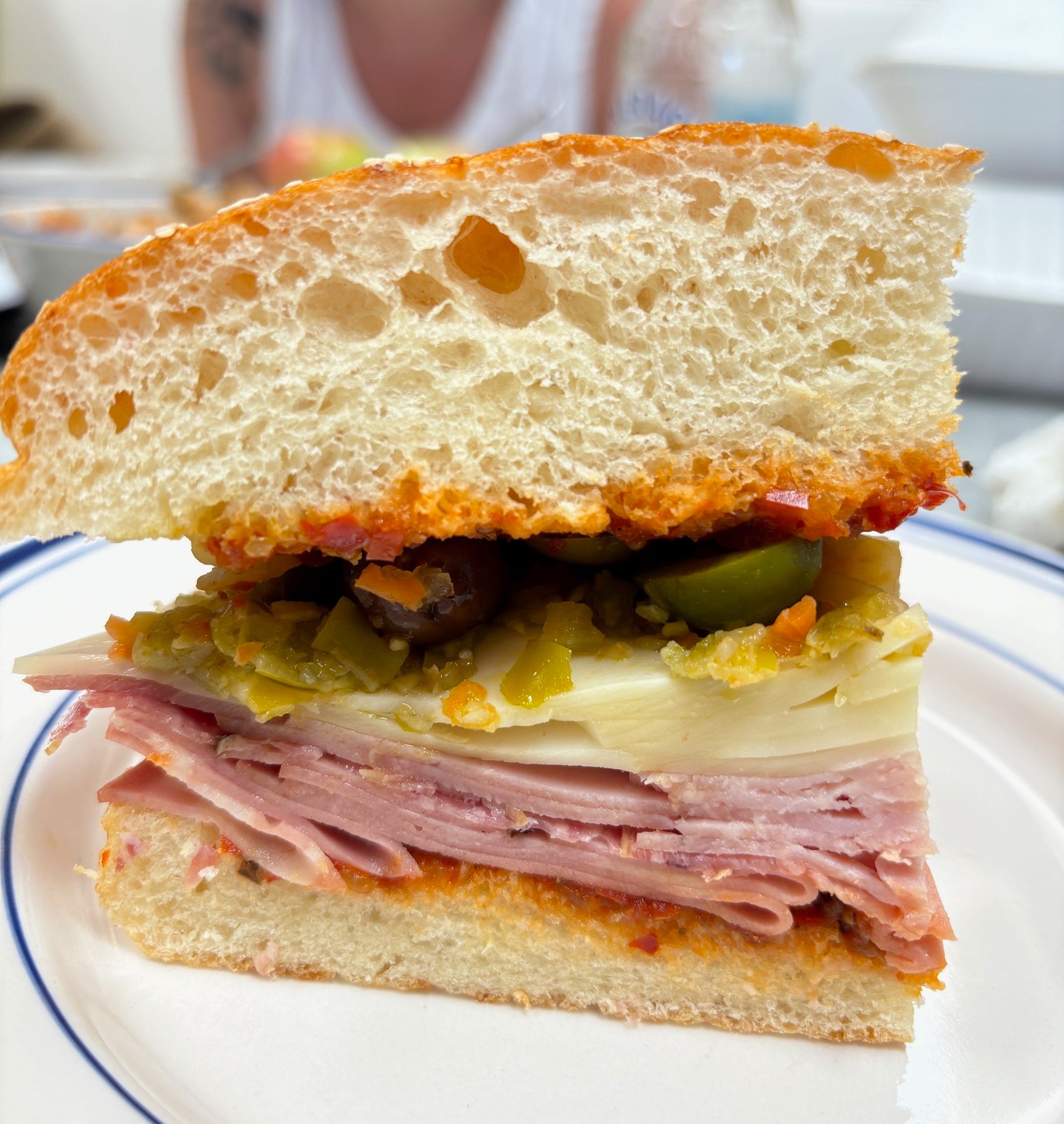
No matter what your sandwich of choice may be, there are a few critical things to consider when building one. First and foremost, take timing and durability into consideration. Are you eating the sandwich right away, or are you packing a lunch for later? A soggy sandwich is a nonstarter (Chicago Italian beef being one of the few exceptions—and if you’ve stood at Al’s Beef on North Wells and had it baptized in the dip, you know exactly what I’m talking about), so how long it’s going to sit will weigh heavily on material choice and design.
One way to prevent moisture migration from increasing the sog quotient is by building a fat-based barrier between the bread and the rest of the sandwich. Translation: spread butter or mayonnaise on the bun.
Fat and water don’t mix, so a thin coating prevents the moisture—from the crisp lettuce, pickles, and tomatoes—from soaking into the bread. Speaking of bread—perhaps the most overlooked and underappreciated component—it is often taken for granted as simply a meat-and-cheese delivery mechanism. In actuality, bread makes the sandwich and executes the ratio. The ratio is everything: the magic proportion of bread to ingredients that ensures proper balance, an inverse relationship between width and mass.
The ideal bread could be anything from dense and thin Danish dark rye (rugbrød) to thick and fluffy Texas toast. Large holes in your bread are another land mine to avoid. Bread with too many (or too large) holes—although this is a hallmark of good artisanal bread—can spray condiments like Old Faithful when pressure is applied and should be avoided by the most astute sandwich artists.
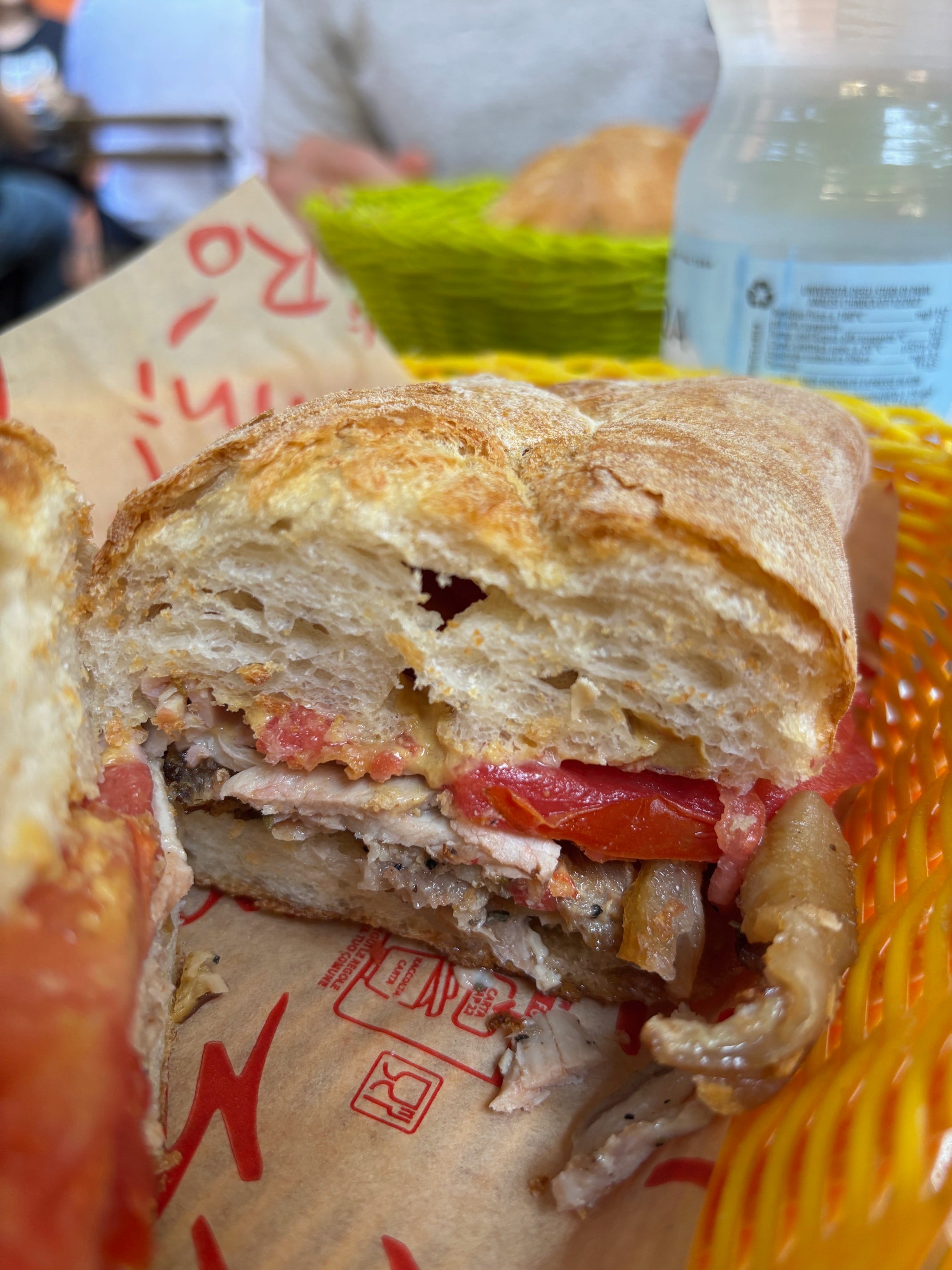
I have debated the merits of using a crusty baguette many times over the years. Plenty of classics, including the jambon-beurre, have been constructed on the king of breads, but beware. A hard baguette, akin to broken-glass-like Cap’n Crunch, threatens the sanctity of the roof of one’s mouth.
As for the condiments and fillings, there are a few things to keep in mind. Tomatoes should always be placed near the center, or they are going to juice up the outer layers of the sandwich. Also, it’s a great idea to lightly salt and hit your tomatoes with a little vinegar before placing them. Vinaigrette plays a starring role in many of the world’s classic sandwiches—the muffuletta and the Italian combo at Bay Cities in LA alike.
The last piece of advice is the most important: when in doubt, leave it out. Maybe those barbecue potato chips don’t actually need to be added to your already perfect turkey and Muenster—I’ll debate anybody who thinks chips make a sandwich better. I just don’t see it. Maybe those slices of pickled jalapeño should be reserved for next week’s nachos, not shoehorned into your roast beef on rye. Use restraint, trust your instincts, edit wisely, and have some faith. As we said earlier: sandwiches are beautiful, sandwiches are fine.
My Top Five Sandwiches
The bánh mì—a product of French colonization of Vietnam—takes the best of French cuisine (bread, pâté) and Vietnamese culinary traditions (fish sauce, pickled vegetables like carrots and daikon, an abundance of fresh herbs) and links them together in the most beautiful way. It’s a contender for the greatest sandwich ever made, and I’ll die on that hill.
The NYC bodega egg and cheese is made on a seeded kaiser or light yeast roll, with a soft folded omelet, sweet Heinz ketchup (accept nothing else), melty American cheese (the only cheese for the BEC, or the cheeseburger, at that), and black pepper inside. It is a perfect food. The fact that you can get a version of this on nearly any block in this city still feels like a gift I haven’t fully earned.
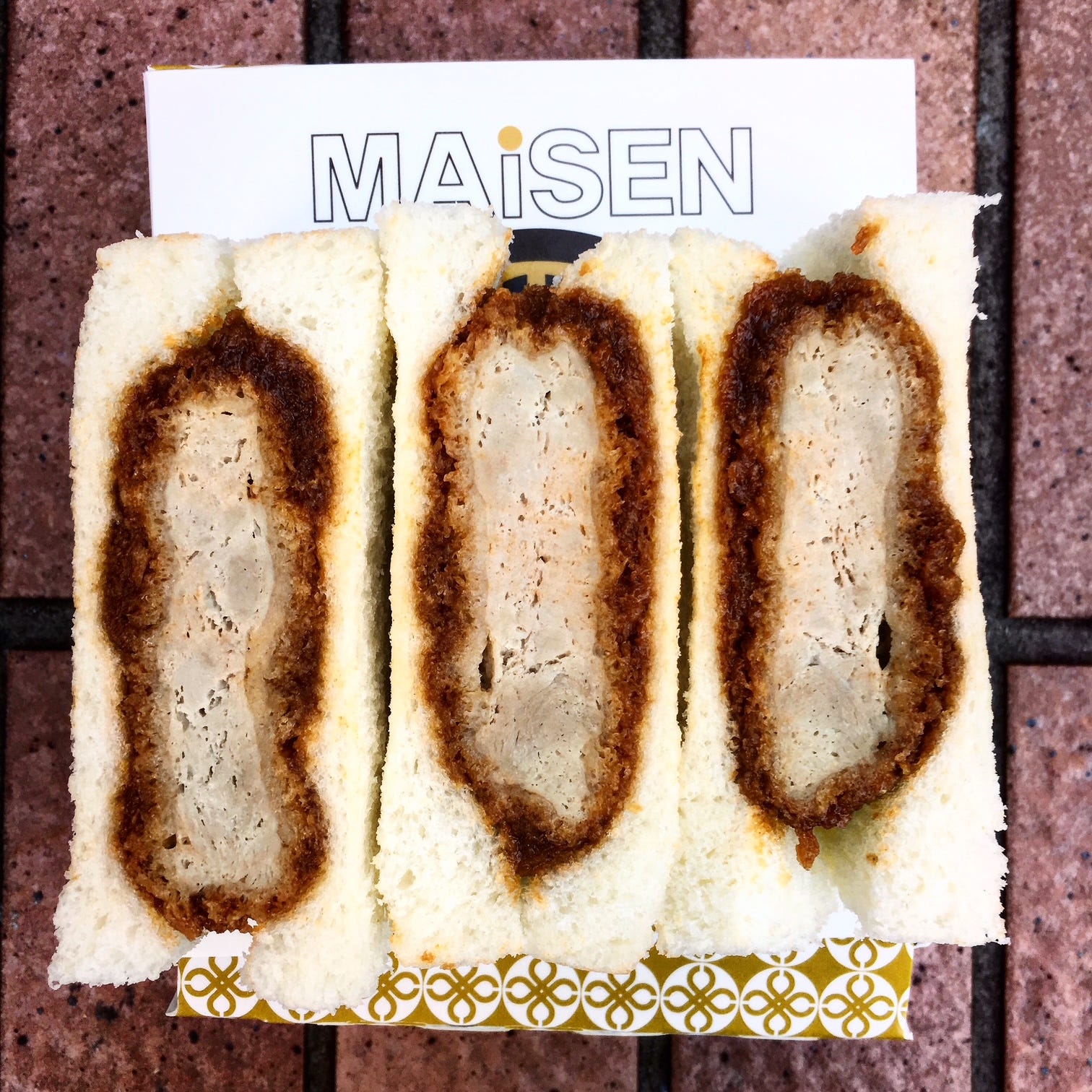
The Japanese convenience store egg salad sandwich—Kewpie mayo, milk bread so soft it barely qualifies as a solid—is why you stop at Lawson or 7-Eleven several times a day while visiting Japan. Come to think of it, the tonkatsu at Maisen is pretty boss-level too.
PBJ—peanut butter and jelly—is the fuel for busy podcast hosts and star NBA point guards alike. It will be my ride or die until my final days. Also, Berry > grape jam. I’ll mess with marmalade too. Industrial and creamy peanut butter always.
The muffuletta is the most underrated sandwich in America. It’s an import from Sicily virtually unknown outside of New Orleans, built with Italian cold cuts, Swiss cheese, and a serious pile of olive salad and giardiniera. If you haven’t had one at Central Grocery on Decatur Street, please correct that.
For additional sandwich writing, make sure to follow our greatest living sandwich chronicler, Helen Rosner. We talked about sandwiches on This Is TASTE back in 2022, and she has big thoughts about air as a key sandwich component, as well entertaining writing about one of New York City’s finest.
This writing is adapted from Food IQ, the book I wrote with my friend the chef Daniel Holzman. Check out Danny Boy’s, his terrific pizzerias in Los Angeles.

I visited Sqirl for dinner a few weeks back (twice, actually) and caught up with Jessica Koslow to hear about the “soft opening” of dinner. In a great talk, we cover:
✔️ A restaurant two decades in the making. 📆
✔️ How to drop into her DMs for a reservation. 📲
✔️ High expectations met. The food is inspired by French bistros, California farms (duh), and LA restaurants of the past.
✔️ Dinner delivery is coming, inspired by the £15 Harrods Christmas Dinner Box. Interesting!
✔️ Starting at seven days from the jump, while running daytime. This is how you pencil out a modern restaurant.
LISTEN: Jessica Koslow Always Wanted to Cook Dinner. “Sqirl After Dark” Says It All.
hell yes to the muffuletta getting a place in the top 5
A sandwich is a sandwich because it has sandwichness. A hotdog (or taco) does not carry the same essence as a sandwich. It lacks sandwichness.
I can sit on a desk all I want but it will never be a chair because it lacks chairness.
This was a discussion I had at Zuni Cafe with someone who was trying to convince me the Chicken with Bread Salad was a sandwich because the salad and chicken were lying between two planes of bread (his definition of a sandwich).